AIMST CENTRE FOR INDIAN CULTURE AND TAMIL CIVILIZATION (AIMST ICTC)
The Centre for Indian Culture and Tamil Civilization (ICTC) at AIMST University serves as a centre of excellence dedicated to promoting the rich traditions, knowledge systems, and values of Indian culture and Tamil civilization. Under the leadership of Professor Dr. M. Rajantheran, the Director of the Centre, ICTC not only focuses on cultural preservation and academic research but also encourages entrepreneurship and innovation inspired by traditional wisdom. The Centre organizes seminars, workshops, and cultural programs that foster creativity, leadership, and enterprise among students. By blending cultural heritage with modern entrepreneurial skills, ICTC aims to nurture socially responsible individuals who contribute to both cultural sustainability and economic growth.

To be leading institution preserving promoting and advancing Tamil Studies and Indian Civilization

To create an enriching academic and cultural environment through research, education, and global collaborations.
ACTIVITIES
CERTIFICATE COURSE: WELLNESS PROGRAMME – MENTAL HEALTH / YOGA THERAPY
A discussion was conducted on 3 December 2025 between the Director of ICTC and the Guru of the Anaadi Foundation regarding the introduction of a Certificate Course in Wellness, focusing on Mental Health and Yoga Therapy. The proposed programme will be offered in hybrid mode with a duration of three to six months. The course is open to candidates with SPM (minimum one credit) and will be delivered in Tamil and English. Academic references will include the Yoga Sutra and Thirumanthiram, with assessments comprising practical evaluations, MCQ-based written examinations, and presentations. The course fees are currently under discussion.


POST - CONFERENCE REPORT : AICSM 2025
The AIMST International Conference on Siddha Medicine (AICSM 2025) successfully concluded, marking a significant milestone in promoting traditional Tamil medical wisdom on a global stage. Organized by the AIMST Centre for Indian Culture and Tamil Civilization (ICTC) in collaboration with Almaa Herbals (Chennai) and the Siddha Science Research Malaysia Academy, the conference brought together international experts to advance Siddha medicine through scientific research and global partnerships.



APPRECIATION LUNCH
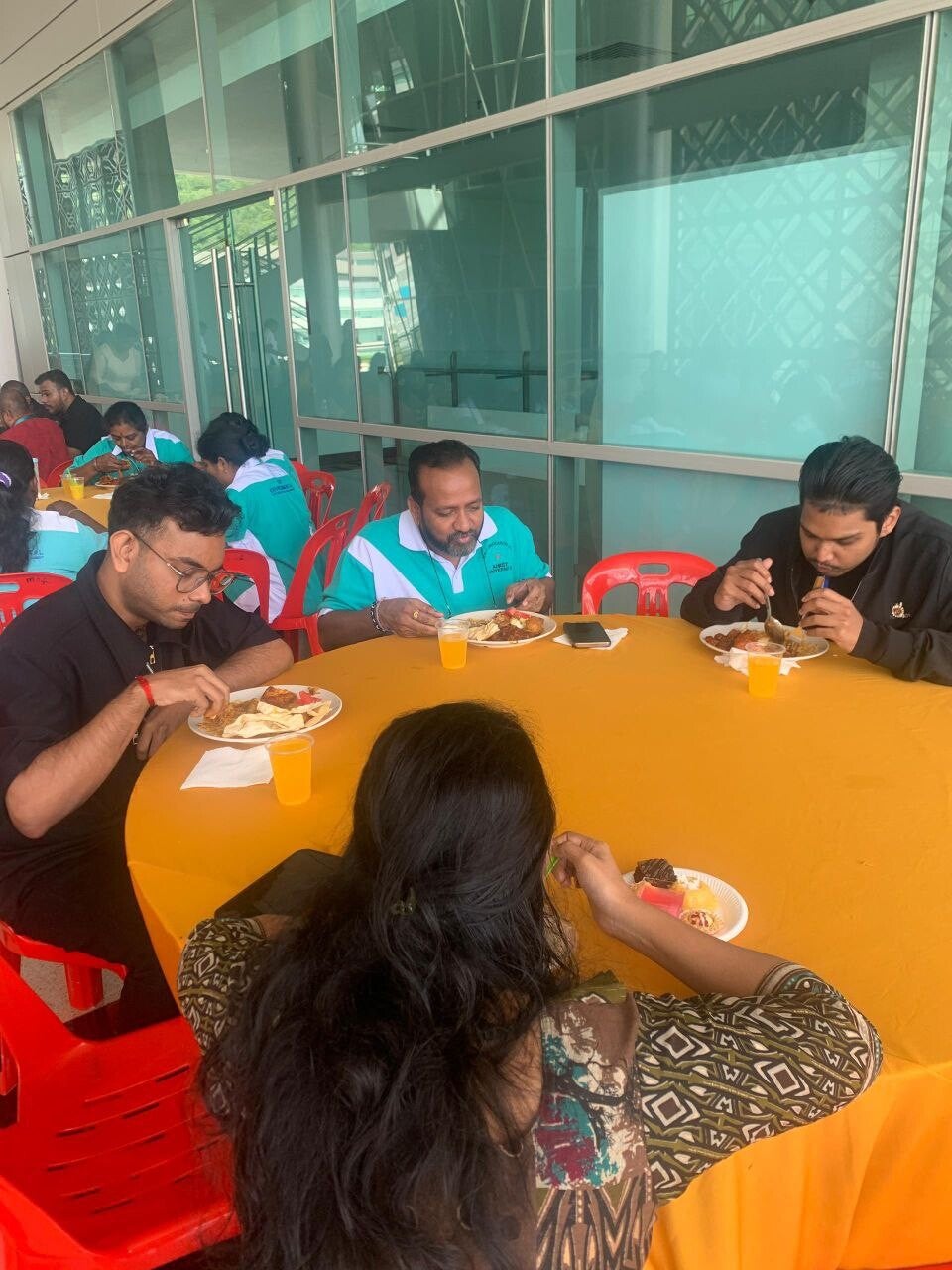
As part of the post-conference activities of the AIMST International Conference on Siddha Medicine 2025, an Appreciation Lunch was organised on 11 December 2025 by the AIMST Centre for Indian Culture and Tamil Civilization (ICTC) to acknowledge and express gratitude to the organising committee, subcommittee members, staff, and cleaning personnel for their valuable contributions and dedicated support.




AIMST INTERNATIONAL CONFERENCE ON SIDDHA MEDICINE 2025
The AIMST International Conference on Siddha Medicine (AICSM 2025) was held on 22–23 November 2025 and organised by the AIMST Centre for Indian Culture and Tamil Civilisation, with Almaa Herbals, Chennai, as the main sponsor. The conference was inaugurated by YB Datuk Seri M. Saravanan, Pro-Chancellor of AIMST University.
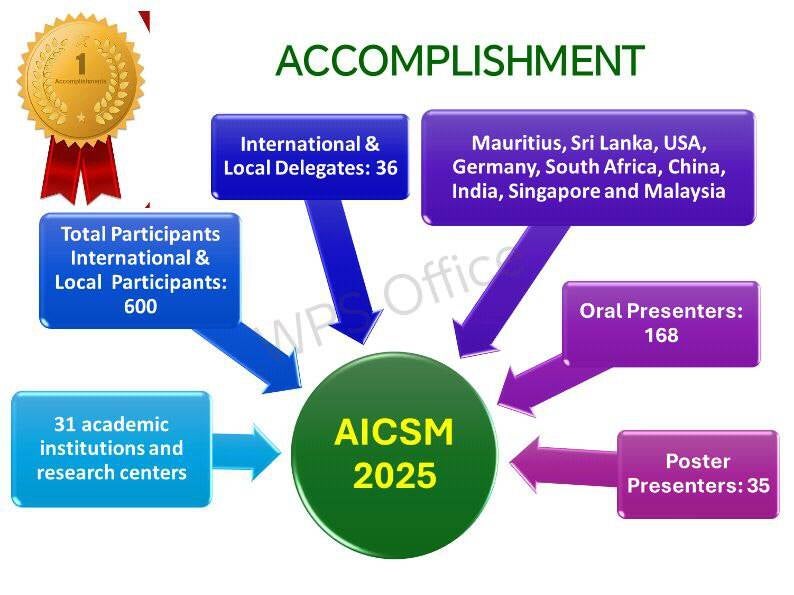
As the inaugural edition, AICSM 2025 brought together 203 abstract presentations and participants from 31 institutions across Malaysia and abroad. A total of 203 international and Malaysian delegates from countries including India, Sri Lanka, Singapore, China, Germany, South Africa, Mauritius and the USA took part in the conference. The event also featured exhibitions by Siddha practitioners and received support from 10 collaborators.
The conference marked an important step for AIMST University in promoting Siddha Medicine and strengthening international academic collaboration.


VIJAYADHASAMI CELEBRATION
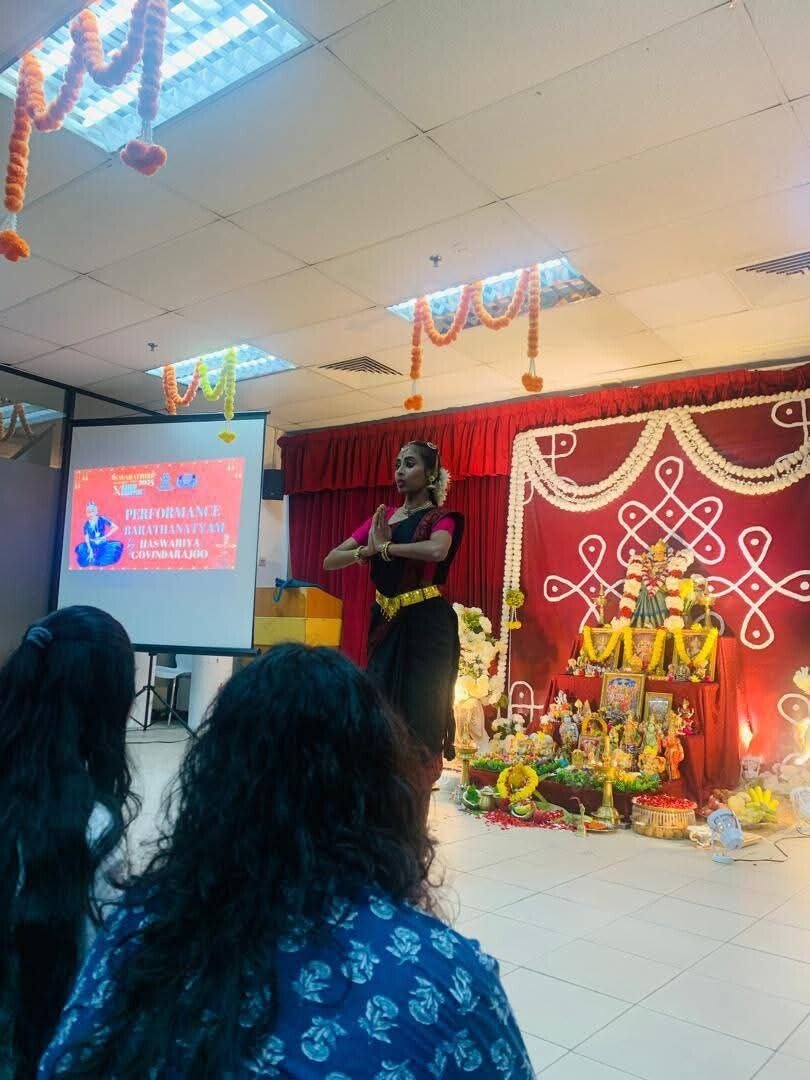
The Vijayadhasami Pooja was held at AIMST University on 2 October 2025 at 7.00 PM, in collaboration with the Indian Culture Society. The ceremony was conducted in a spiritually enriching atmosphere, symbolising the triumph of knowledge and righteousness over ignorance. The event aimed to preserve and promote Indian cultural and religious traditions within the university community and was attended by staff, students, and society members.